GASTRION
Alexandros Tsiotinis x La Vaca Loca
Gastronomy and Fashion, a dialogue in progress
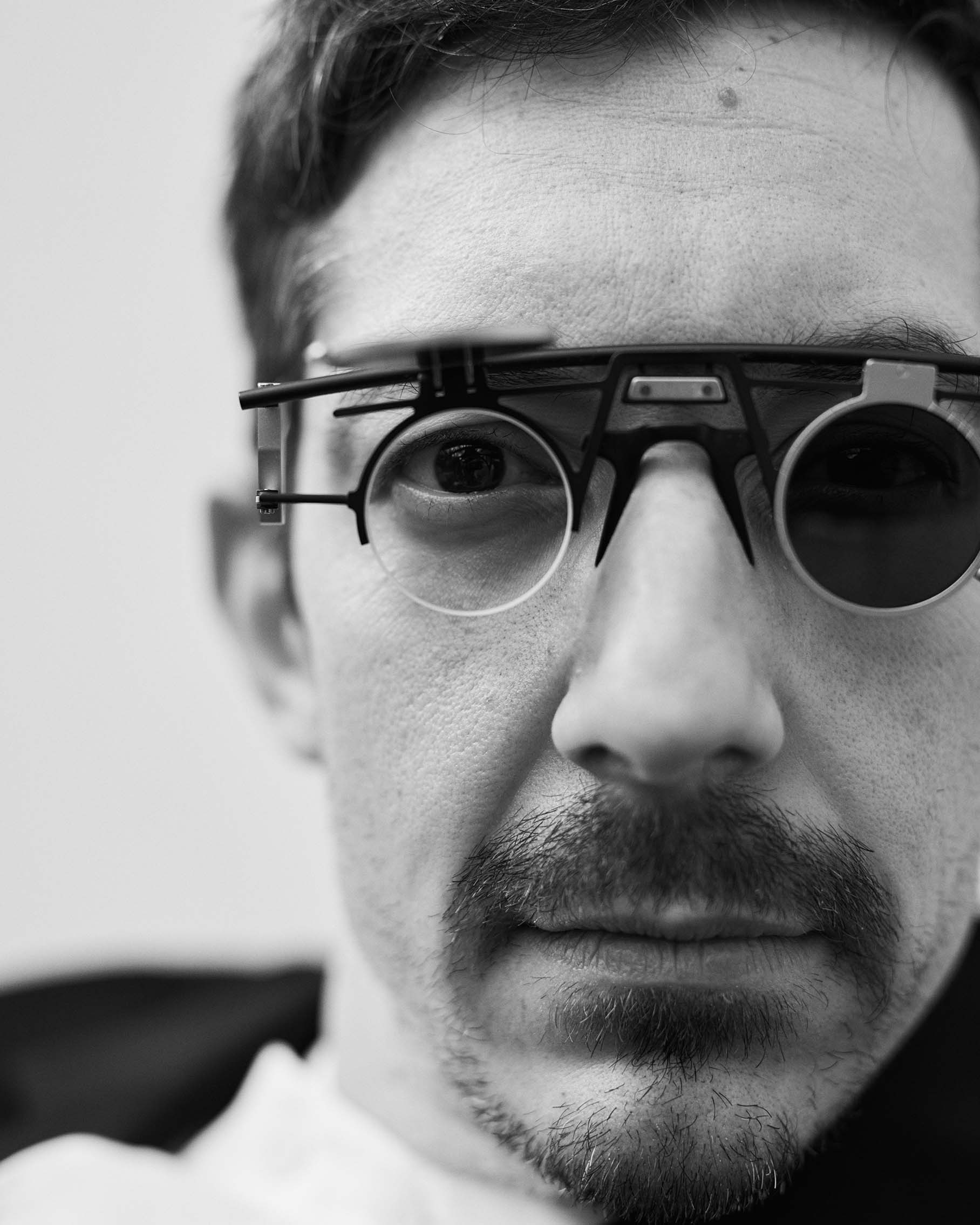
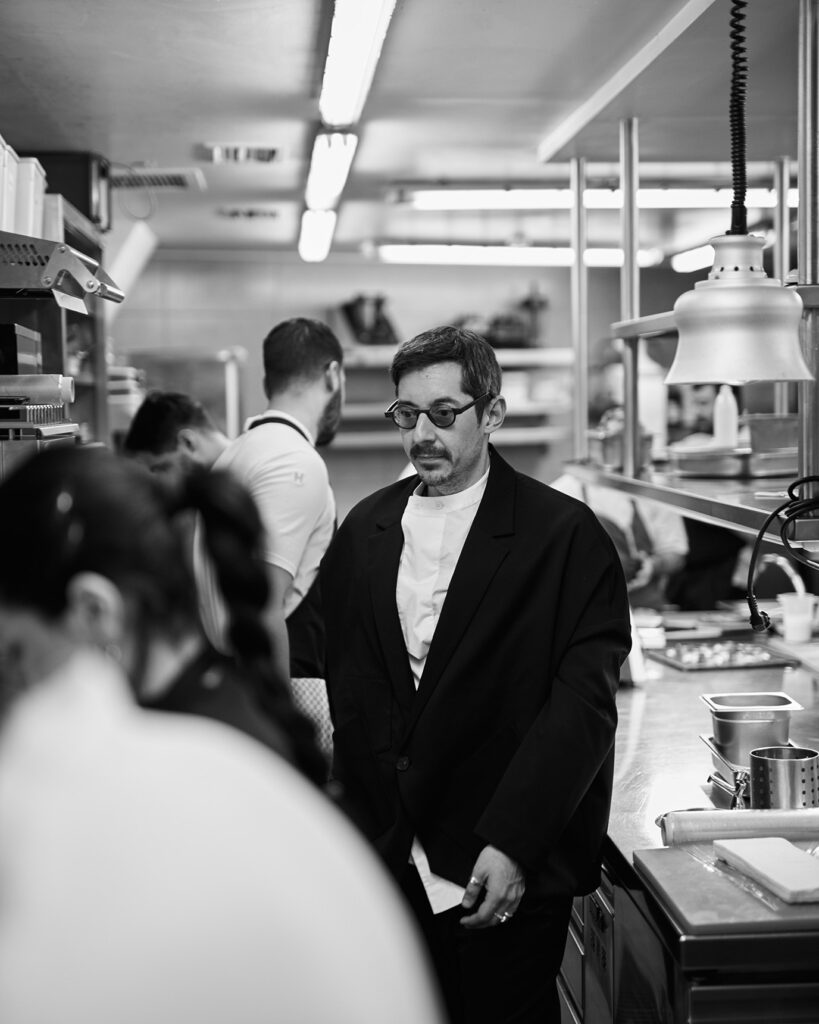
Alexandros Tsiotinis is a chef with an international career who has played a defining role in contemporary Greek gastronomy. He has trained, created and earned recognition at the highest level, yet his achievements are not what bring us to this conversation.
It begins with his manner. With the quiet clarity with which he approaches creation, with his respect for raw ingredients, with his commitment to substance rather than excess. In our time with him, we came to recognize someone deeply cultivated and at the same time disarmingly simple. This balance between simplicity and refinement is what drew us closer.
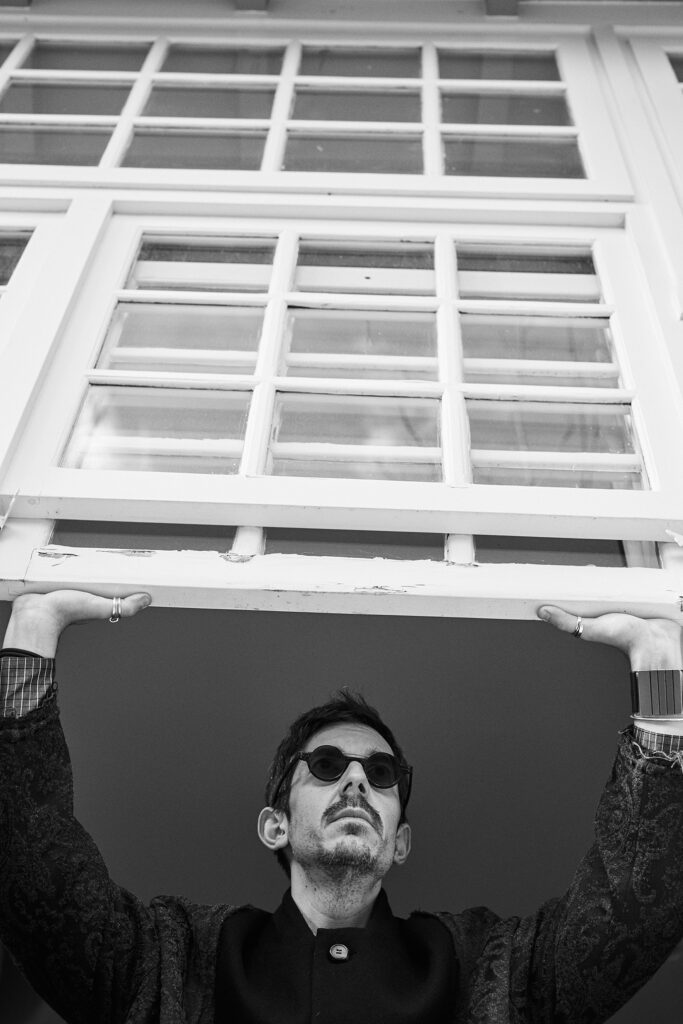
He embraces our garments with the same sincerity with which he cooks, and through this relationship we came to see a character naturally aligned with what we stand for. In that, we found a genuine point of connection.
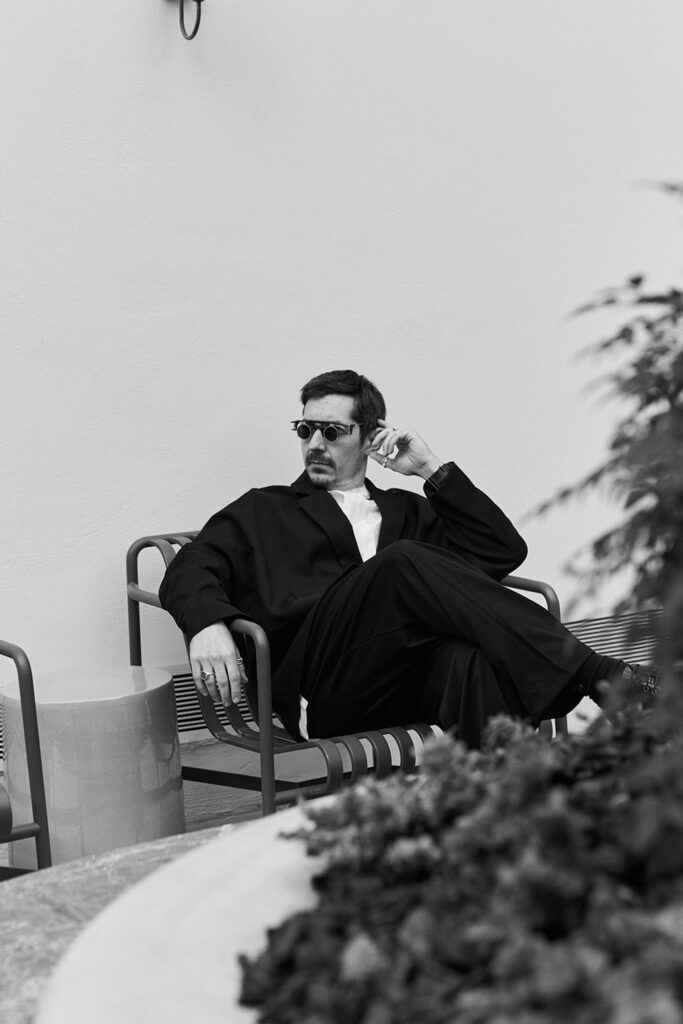
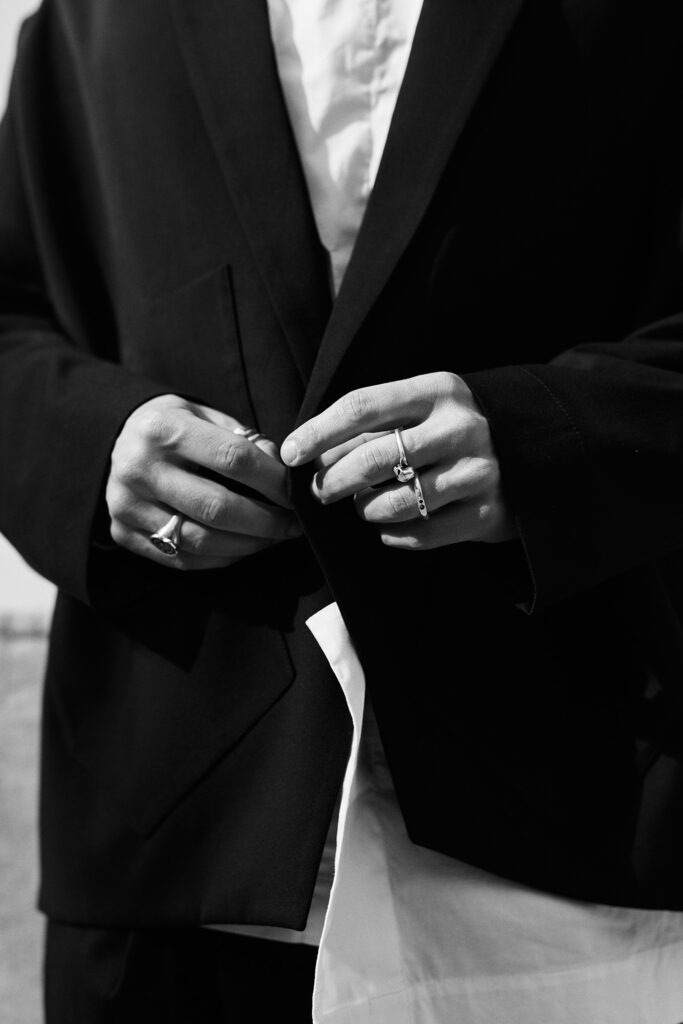
Food and clothing initially arise to cover primary needs, yet they have evolved into fields of high creativity. Do you see a common language between fashion and gastronomy?
If food and clothing were born to serve a primary need, gastronomy and fashion were created by human beings to serve choice.
Fashion, in its very essence, suggests a modus operandi, a way of acting, a method by which we position ourselves in the world. And gastronomy, from the Greek gaster, meaning stomach, and nomos, meaning law, reminds us that even pleasure follows rules, not restrictive ones, but ones cultivated by ourselves.
Laws, ways of being and cultural codes flourish where people of cultivation coexist and wish to become the best version of themselves. There, a primary need is transformed into art, and a daily habit into an act of culture.
Cuisine, whether refined or vernacular, just like fashion, whether as elegance, as movement, as style or as trend, is not confined to what we eat or what we wear. They revolve around how we exist. Around the constant effort to align the inner with the outer, the essence of what we wish to be with its expression.
Perhaps, in the end, their common language is this: the pursuit of the best version of ourselves, not only in appearance, nor only in taste, but in the way we inhabit the world.
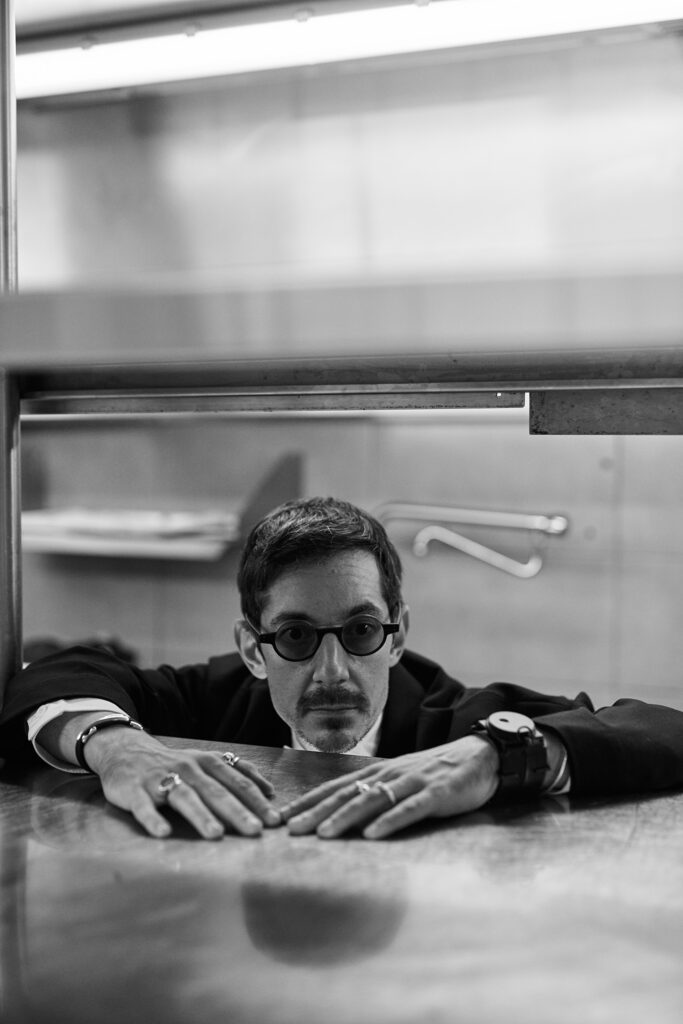
Even when cooking touches the limits of art, it ultimately ends in its consumption. Does this ephemerality liberate you?
For me, the ephemerality of food is precisely what, in most cases, removes from cooking the designation of art.
I am among those who believe that cooking is not art, at least not in the strict sense of the term. It is, however, a distinct category of creation. It contains art, it requires high technique, it offers pleasure and emotion. And the one who expresses it, the cook, is often an artist.
But the fact that a person is an artist does not mean that every act of theirs is art. An artist is defined and, in a way, infused by their art. This does not automatically make each of their creations a work of art.
Cooking possesses another kind of power. It exists to be completed through consumption. To become experience, memory, a shared moment. And perhaps this mortality is ultimately its most honest form.
How decisive is memory in the way you create? How does a smell from the kitchen after school, or a taste of summer, find its place today in one of your dishes?
I remember a very important figure of Greek gastronomy saying that a restaurateur must tell his guest a fairy tale.
That is what we are. That is what we do.
We step onto the stage and narrate the story we wrote, or rather, the story that wrote us. A story that may carry tradition, the season, art, our childhood, the aromas of our land, even a fleeting image that once crossed our mind.
Memory is the raw material. It is the invisible ingredient of every dish.
The real challenge, however, is not simply to reproduce a memory. It is to express it so clearly and so firmly that the guest feels it even if they have not lived it. To make it their own. To sense it within themselves. And, in the end, to leave them with that subtle, sweet smile of delight.


In the culinary world where everything can become complex and impressive, what do you consciously choose to keep simple, and why?
For me, the greatest challenge for a cook is not to impress with intricate techniques, clever presentations, or creative excess. It is, through all of this, to distill and reveal the most essential element of the food.
And that is warmth.
That feeling of familiarity, safety, care, the sense that someone truly thought of you when creating what you are eating. For me, this is where the true uniqueness of a creation lies
Often, that alone is enough to transform a good dish into an exceptional one.